
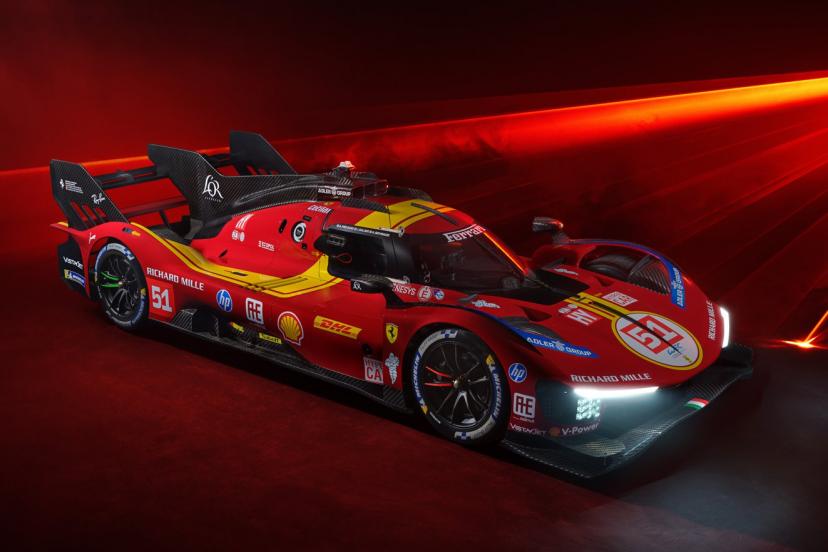
Ferrari is shifting gears into the world of blockchain, launching a digital token designed for its most exclusive clients. The initiative — set to debut in 2027 — will let members of Ferrari’s private Hyperclub bid on the Le Mans-winning 499P through a blockchain-based auction. The token, developed in partnership with Italian fintech firm Conio, marks Ferrari’s most ambitious crypto venture yet.
According to Ferrari’s Chief Marketing and Commercial Officer, Enrico Galliera, the token aims to “strengthen the sense of belonging among our most loyal customers.” Token holders will gain access to private trading features, limited-edition collectibles, and early access to upcoming Ferrari experiences — all integrated on a blockchain network to ensure transparency and exclusivity.
Ferrari Enters the Blockchain Fast Lane
Ferrari’s foray into digital assets reflects how luxury and technology are increasingly merging. By issuing the Token Ferrari 499P, the carmaker is using blockchain not as a gimmick but as a bridge between tradition and innovation. The 499P, Ferrari’s Le Mans-winning endurance model, represents the pinnacle of its racing legacy — and tokenizing its ownership opportunity adds a futuristic twist to that heritage.
The digital auction will be limited to around 100 of Ferrari’s top Hyperclub members. Holders of the token will have the ability to trade among themselves and participate in Ferrari-backed blockchain events, giving new value to digital ownership beyond speculation or hype.
Partnership with Conio and MiCA Compliance
The project will be powered by Conio, an Italian fintech firm currently applying for regulatory approval under the EU’s Markets in Crypto-Assets (MiCA) framework. Conio will handle the blockchain infrastructure, ensuring secure token issuance and transparent auction processes for Ferrari’s elite clientele.
According to Davide Rallo, Conio’s Chief Fintech Strategist, “This partnership marks a milestone in luxury tokenization. The potential for development is enormous.” Conio’s platform aims to combine Ferrari’s heritage with next-generation digital identity systems, setting a precedent for other luxury brands to follow.
Ferrari’s Expanding Crypto Strategy
Ferrari’s adoption of digital tools isn’t new. In 2023, the company began accepting Bitcoin (BTC), Ether (ETH), and USDC as payment for its vehicles in the United States, later extending the service to Europe. The initiative was designed to appeal to a younger, crypto-savvy generation of buyers while keeping traditional dealers shielded from volatility through instant crypto-to-fiat conversions.
By integrating tokenized systems and blockchain infrastructure, Ferrari continues to blur the lines between luxury craftsmanship and digital innovation. The new token initiative signals Ferrari’s willingness to embrace the growing influence of digital assets in high-value markets.
Luxury Brands Race Toward Tokenization
Ferrari’s move comes amid a broader trend of luxury brands entering the Web3 ecosystem. From Lamborghini NFTs to Porsche’s virtual collectibles, tokenization is reshaping how premium companies interact with loyal customers. Ferrari’s plan, however, stands out for tying blockchain ownership directly to a tangible, high-value asset — a real race-winning car.
As digital collectibles evolve into tokenized assets linked with real-world experiences, Ferrari’s approach positions it as a trailblazer in the luxury blockchain space. The 499P token is not just about digital hype; it’s about reimagining ownership and fan engagement in the modern era.
Crypto Wealth Fuels New Luxury Demand
The surge in crypto adoption provides a clear context for Ferrari’s latest move. The number of crypto millionaires reportedly grew 40% in the past year, reaching over 240,000, while crypto billionaires now number 36 globally. As blockchain wealth expands, luxury brands are tailoring experiences for these high-net-worth crypto holders.
For Ferrari, the 499P token offers more than prestige — it’s a gateway to a new class of digital investors seeking exclusivity, authenticity, and legacy, all backed by verifiable ownership through blockchain technology.