
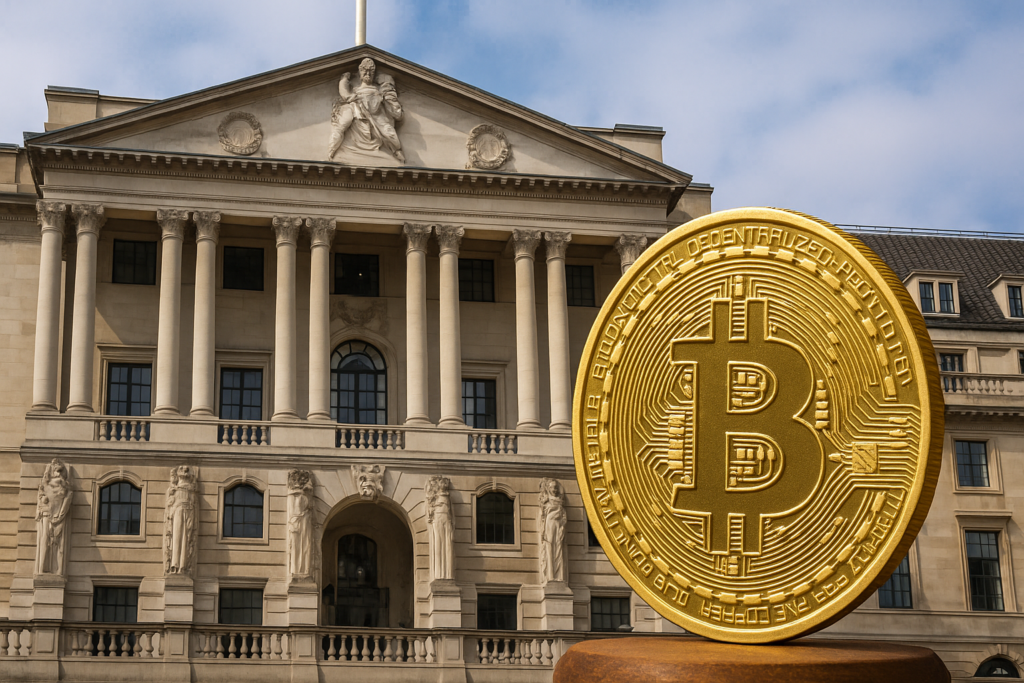
The Bank of England (BoE) plans to instigate new stipulations regarding the exposure of banks to cryptocurrencies by 2026. This move is part of a broader initiative meant to safeguard the stability of the financial sector. According to David Bailey, the BoE’s executive director of prudential policy, the rules will be tilted towards a more restrictive approach due to the volatile nature of cryptocurrencies where investors can risk losing their entire investment.
The restrictive approach has been made apparent in a recent speech by Bailey at Risk Live Europe in London. During the address, Bailey insinuated that the UK would potentially advocate for banks to limit their exposure to cryptocurrencies. The standard for banks’ interaction with volatile crypto assets would begin at a stricter level, with the possibility for relaxation over time once enough data has been collected and analyzed.
Bailey emphasized that these ground rules are particularly crucial for assets associated with increased price volatility, further emphasizing the gravity of potential investor loss.
The strategy being pursued by the U.K. aligns with the Basel Committee on Banking Supervision’s recommendation for a comprehensive platform revealing banks’ crypto exposure. The committee declared that these rules must be installed by the onset of 2026, aiding countries in risk assessment. The committee also suggested a cap on banks’ exposure to cryptocurrencies like Bitcoin at 1%.
According to Bailey, the bank’s proposals will be primarily shaped by the principles devised by the Basel Committee. This proactive move by the U.K. underscores the increasing urgency among nations to sustain financial stability, especially in the face of unpredictable cryptocurrency market conditions.
This matter becomes particularly significant with the previous collapses of Silicon Valley Bank and Silvergate Bank in 2023. Both these banks served crypto clients, illustrating the interconnectedness of the banking and crypto sectors. Finally, these impending crypto regulations will coincide with the introduction of new rules by the U.K.’s other financial regulator, the Financial Conduct Authority, as they prepare to implement a novel system for cryptocurrencies.