
Bitcoin’s price collapsed toward $102,000 following former President Trump’s dramatic announcement of a 100% tariff on Chinese exports. The move threw global markets into turmoil and triggered mass liquidations across crypto, signaling that macro politics may once again be a dominant driver of BTC volatility.
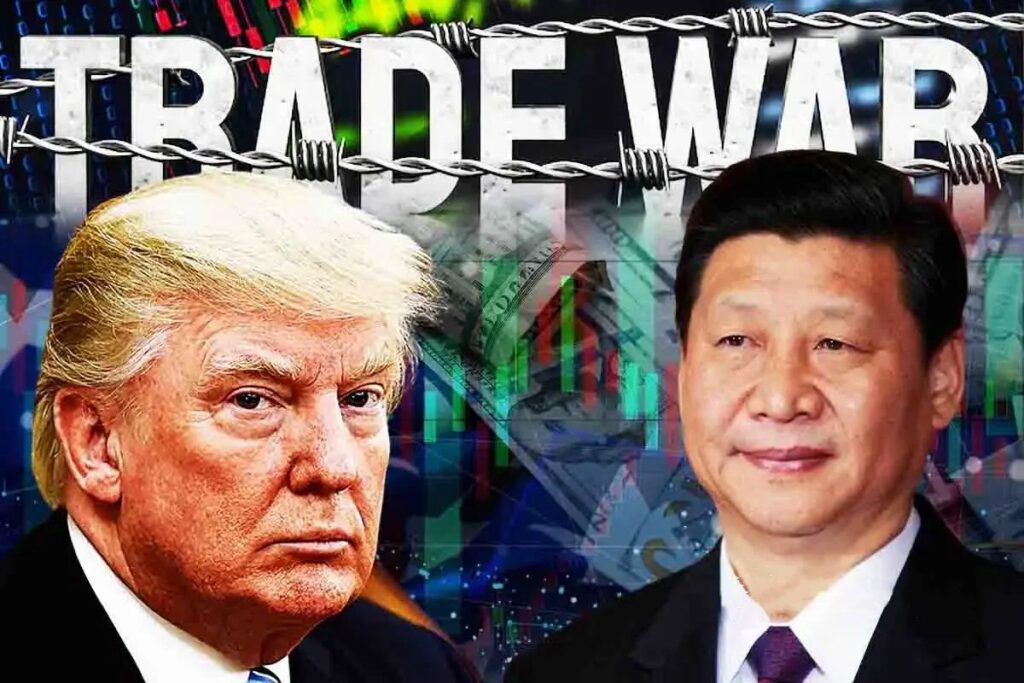
Tariff Shock Sends Bitcoin Tumbling
Within minutes of the announcement, Bitcoin futures on Binance plunged, and the sell-off extended to spot markets. The last time BTC traded near $102K was back in late June, making this drop one of the steepest in recent memory. Panic permeated the market as leveraged longs were caught off guard.
Market data confirmed the carnage: over the past 24 hours, more than $9.4 billion in crypto positions were liquidated — $7.15 billion of which were leveraged long bets. The heavy selling pressure rippled through the entire digital assets space.
Ether, SOL, and Alts Fall Hard
The fallout wasn’t limited to Bitcoin. Ethereum slid to $3,500, while Solana futures dropped beneath $140. Altcoins broadly posted declines between 12% and 14% in the aftermath, showing just how synchronized the crypto markets are during periods of macro stress.
Analysts at Hyblock warned that much of the industry’s leveraged exposure had been “totally wiped out,” particularly for coins carrying high leverage. The conflagration exposed how fragile upside momentum had become.
What’s Behind the Tariff Surge
Trump claimed the tariff escalation was a retaliation against China’s proposed export curbs on rare earth minerals, which are foundational to semiconductor and chip production — the backbone of AI, high-performance computing, and crypto mining infrastructure.
By threatening access to those materials, the U.S. aimed to push China back, but the announcement stoked fears of a trade war escalation. Markets viewed this as the opening salvo in a broader tech sovereignty battle with global implications.
Macro Pressure Meets Crypto Fragility
As the tariff shock rippled outward, the broader crypto market cap tumbled — shedding nearly 12% in 24 hours. The collapse underscored how markets remain deeply sensitive to macro developments, particularly when narratives around supply chains and tech decoupling arise.
Crypto’s connection to global risk assets was on full display. Moves in equities, tech stocks, and industrials began to feed into digital assets, reinforcing the idea that crypto is no longer an isolated play but another piece in global portfolio risk exposure.
Looking Ahead: Volatility or Recovery?
Traders and investors now face a fork in the road. Will Bitcoin find a base in this new macro regime, or will further escalation in trade hostilities drive it lower? Monitoring how markets digest China’s next move, the U.S. response, and chip supply developments will be key.
Some hope spot buyers and institutional capital may step in to stabilize BTC. Others warn that until macro clouds clear, crypto remains in a vulnerable position — especially for heavily leveraged players.