
Ethereum co-founder Vitalik Buterin is sounding the alarm on blockchain complexity, arguing that true trustlessness can only be achieved when more everyday users can grasp the entire system from top to bottom.
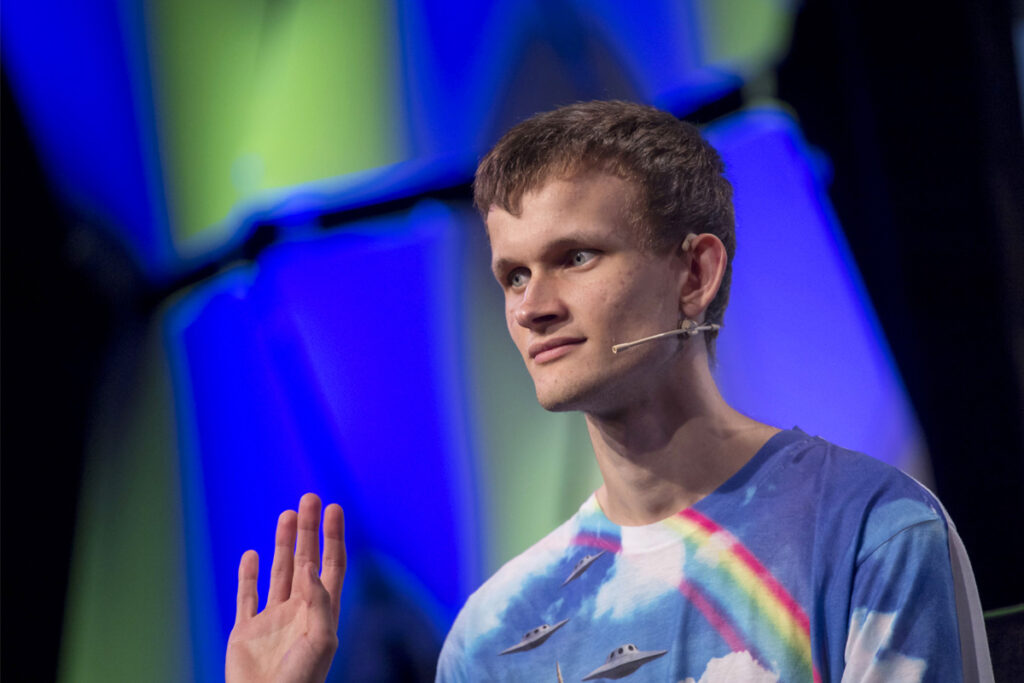
In a recent X post, Buterin highlighted how Ethereum’s intricate design currently forces reliance on a small cadre of experts, undermining the decentralized ethos. He advocates for streamlining the protocol—even at the cost of fewer features—to democratize understanding and boost adoption. This push comes amid ongoing efforts to make Ethereum more user-friendly, addressing barriers that have long kept mainstream audiences at bay.
Why Simplicity Matters in Blockchain
Buterin explains that trustlessness means the protocol runs autonomously via code, without needing developer oversight. However, if only a handful of insiders can decode its workings, the broader community ends up trusting that elite group—defeating the purpose of decentralization. Ethereum already enforces transactions and smart contracts through open-source code and validators, but enhancing user comprehension is the next frontier. Responding to skeptics on trade-offs between features and accessibility, Buterin stressed willingness to prioritize simplicity.
Broader Implications for Crypto Protocols
This isn’t just an Ethereum issue—Buterin’s insights resonate across the crypto landscape. For instance, privacy-focused projects like INTMAX echo the sentiment, warning that obscure architectures merely shift trust rather than eliminate it. Users often feel overwhelmed by jargon-heavy explanations, turning promising tech into a “full-time job” to understand. Simplifying could repel fewer newcomers and foster genuine trustlessness in everything from layer-2 solutions to privacy tools.
Ethereum’s Roadmap to Accessibility
Looking ahead, Ethereum’s development roadmap tackles these pain points head-on, aiming to slash entry barriers and mimic the ease of Web2 apps. Key upgrades include smart contract wallets that handle gas fees and key management seamlessly, plus node-running options on everyday devices like phones. The Ethereum Foundation is also ramping up educational programs to empower more developers and users, signaling a shift toward a more inclusive blockchain future.