
China’s central bank has reiterated its strict stance on cryptocurrency, citing renewed speculation and risks linked to stablecoins. Authorities are pledging to intensify oversight and crack down on illegal crypto-related activities to protect the financial system.
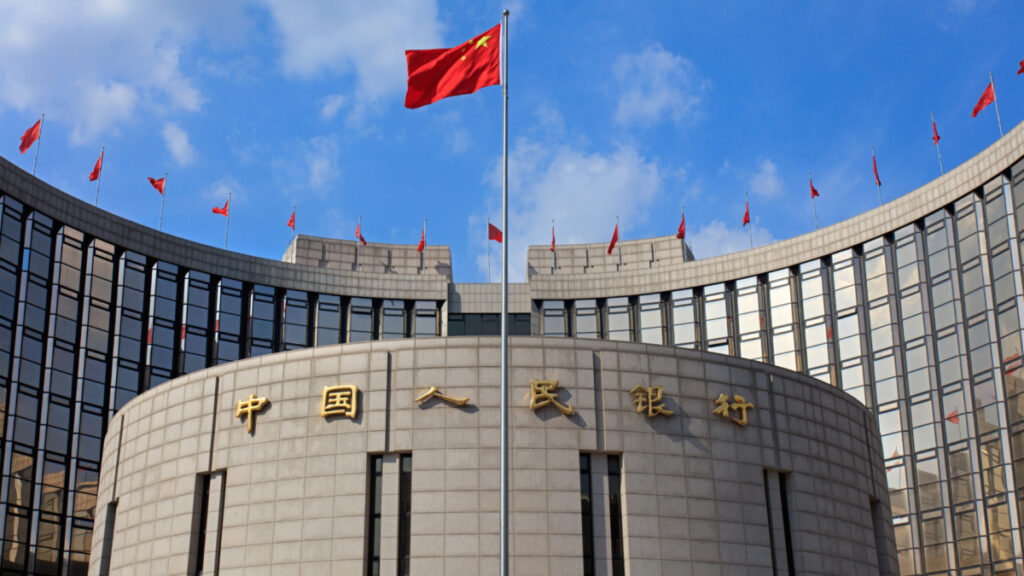
Crypto Trading and Mining Remain Prohibited
The People’s Bank of China (PBOC) confirmed that virtual currencies are not legal tender and warned that crypto trading and mining remain banned. The statement, issued after a meeting with twelve other government agencies, stressed that speculation in cryptocurrencies has resurfaced, creating fresh challenges for risk management and financial stability.
China initially banned crypto trading and mining in 2021, citing risks to the broader financial system and the potential for criminal activity. The PBOC reiterated that any virtual currency-related business activities are considered illegal financial activity under the law, leaving no room for exceptions.
Stablecoins Highlighted as a Major Risk
Authorities singled out stablecoins as a key concern. The PBOC noted that many stablecoins fail to meet customer identification and anti-money laundering requirements, leaving them vulnerable to fraud, cross-border fund transfers, and other illegal uses.
By highlighting these risks, China’s central bank signaled that it will continue to target any crypto activity perceived as a threat. Regulators promised persistent enforcement to ensure that stablecoins and other virtual currencies cannot undermine economic and financial order.
Coordinated Crackdown Across Agencies
The meeting of thirteen government agencies emphasized joint action and information sharing to monitor crypto users more effectively. Reports show that China still accounts for a notable share of Bitcoin mining, around fourteen percent by October, despite strict regulations.
In addition to enforcement, regulators have previously instructed brokers to halt stablecoin promotions and research seminars, and they remain vigilant in preventing new schemes from emerging. Hong Kong, in contrast, has begun licensing stablecoin issuers, but some companies have paused launches after China’s regulatory interventions.