
In a seismic shift signaling growing frustrations with traditional legal strongholds, crypto giant Coinbase is packing up its corporate papers and heading to the Lone Star State. Citing Delaware’s “unpredictable” courts as a drag on innovation, the exchange’s top lawyer has penned a scathing op-ed praising Texas for its efficient, pro-business vibe. This reincorporation isn’t just paperwork—it’s a wake-up call for how regulatory climates are reshaping the future of digital finance.
From Delaware’s Shadows to Texas Sunshine
Coinbase’s decision to reincorporate from Delaware to Texas marks a pivotal moment for the San Francisco-based powerhouse, which has long been a lightning rod in the crypto world. Chief Legal Officer Paul Grewal dropped the bombshell in a Wednesday X post, announcing the move amid broader industry gripes about overreaching regulations. “This decision was not made lightly, but we’ll always do what’s best for our customers, our employees, and our shareholders,” Grewal wrote in a Wall Street Journal op-ed that didn’t pull punches.
At the heart of the switch is Delaware’s courtroom chaos, which Grewal described as “rife with unpredictable outcomes.” Once the go-to for incorporations thanks to its business-friendly laws, Delaware has faced backlash from tech and finance heavyweights for rulings that feel more like roulette than justice. Coinbase, no stranger to legal battles—think SEC lawsuits and high-stakes compliance fights—sees this as a chance to escape the uncertainty that’s been haunting boardrooms.
Why Texas? Efficiency Meets Crypto Ambition
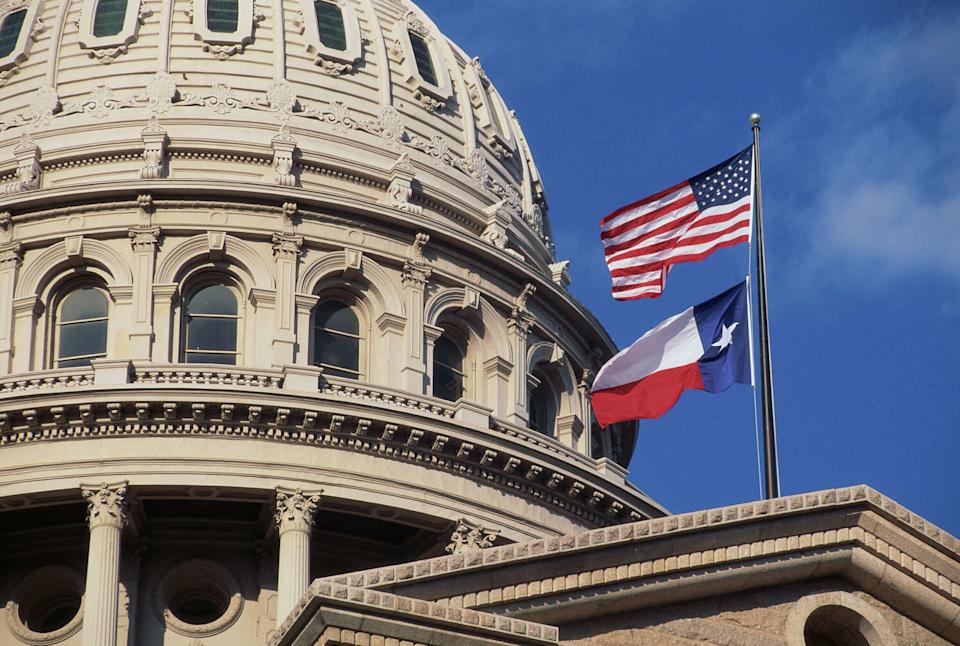
Texas isn’t just any destination; it’s emerging as a crypto haven with open arms for blockchain innovators. Grewal hailed the state’s “efficiency and predictability” in his op-ed, contrasting it sharply with Delaware’s woes. From tax incentives to a regulatory framework that’s warming up to digital assets, the Lone Star State has been courting Web3 players aggressively. Remember when Tesla flirted with Texas? This feels like that, but with Bitcoin instead of electric cars.
Coinbase’s remote-first ethos, solidified back in 2021 when it shuttered its San Francisco HQ amid pandemic shifts, makes the incorporation hop seamless. Sure, they’ve cracked open a new spot in the city and keep a foothold in New York, but the corporate soul is now Texas-bound. It’s a pragmatic play: lower legal risks, faster resolutions, and a nod to states that treat crypto like the future, not the foe.
Bigger Ripples for Crypto’s Legal Landscape
This isn’t isolated drama—it’s part of a larger exodus from Delaware, with other firms eyeing friendlier pastures as regulatory pressures mount. For Coinbase, fresh off user growth spurts and product launches, stability is gold. The move could inspire a domino effect, accelerating the decentralization of corporate America into pro-innovation pockets. But skeptics wonder: Will Texas’s welcome mat hold up under federal scrutiny, or is this just swapping one set of headaches for another?
As the dust settles, one thing’s clear: In crypto’s wild west, where rules evolve faster than memecoins, adaptability is king. Coinbase’s Texas pivot underscores a truth every trader knows—timing the market is tough, but timing your legal home? That’s next-level strategy.