

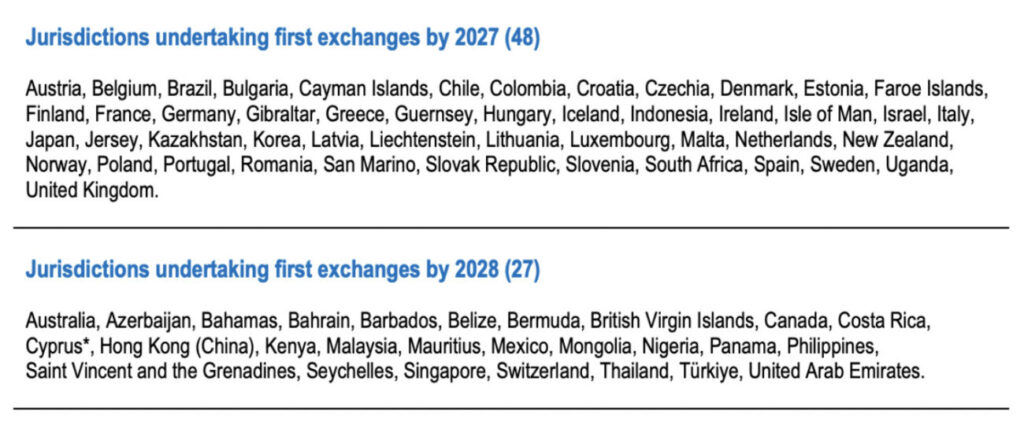
As of January 1, 2026, crypto service providers in 48 jurisdictions have kicked off mandatory data collection on user transactions, paving the way for the first international exchanges under the OECD’s Crypto-Asset Reporting Framework (CARF) in 2027. This landmark move aims to boost tax transparency and curb evasion in the rapidly growing digital asset space.
What is CARF and Why Now?
The Crypto-Asset Reporting Framework, developed by the Organisation for Economic Co-operation and Development (OECD) at the urging of G20 nations since 2021, requires centralized exchanges, brokers, dealers, and even some decentralized platforms to report detailed transaction data—including wallet activities—to tax authorities. Finalized in 2022, CARF extends existing banking transparency rules to crypto, closing loopholes that have allowed offshore tax avoidance.
The Rollout Timeline
The 48 early-adopter jurisdictions—including major players like the UK, Japan, Germany, France, and most EU countries—must begin gathering data immediately for exchanges starting in 2027. A second group of 27 nations, such as Australia, Canada, Switzerland, and Hong Kong, will start collection in 2027 ahead of 2028 exchanges. The US has committed to 2029 implementation.
Implications for Crypto Users and Platforms
For investors, this means increased scrutiny: transaction histories, balances, and identities could soon be shared across borders, potentially unmasking anonymous holders. Exchanges face hefty compliance upgrades, with experts warning the data could extend beyond taxes to aid in identifying criminal links. As one crypto tax firm noted, CARF grants authorities “unprecedented access” to ownership details.
While proponents hail it as a step toward legitimizing crypto, critics argue it adds burdens and may drive activity to non-participating regions. With over 75 jurisdictions committed overall, the era of unchecked crypto privacy appears to be ending.