
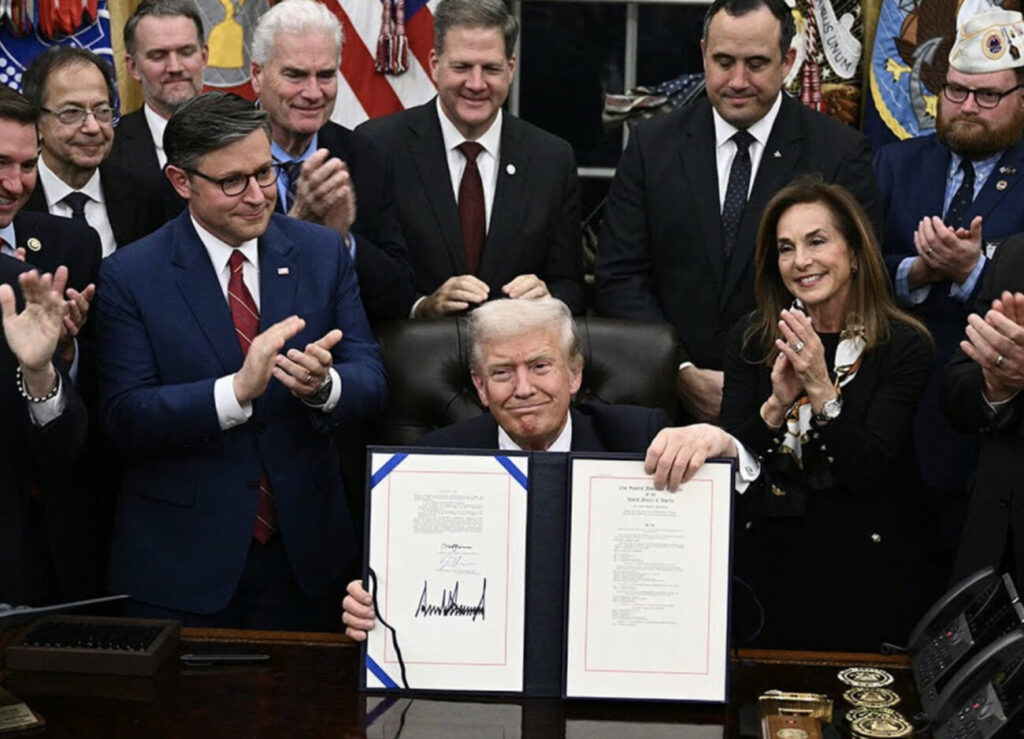
In a dramatic turn that silenced the halls of power, President Donald Trump has inked a bipartisan funding bill, slamming the door on America’s longest-ever government shutdown after 43 grueling days. As federal workers flood back to their desks, the crypto world breathes a collective sigh of relief—regulatory gears are grinding back to life, from ETF approvals to stablecoin shake-ups. But with Bitcoin barely blinking, is this the spark for a market roar, or just another blip in the blockchain saga?
Shutdown’s Shadow Lifts: A Bipartisan Breakthrough
The ink was barely dry when the news hit: Trump’s signature on Wednesday evening sealed a temporary truce in the funding wars that had paralyzed Washington since late September. The bill, which squeaked through the Senate on Monday and the House just hours before signing, pumps cash into federal operations through January 30, 2026—buying precious time for Democrats and Republicans to hash out a full-year blueprint. Healthcare funding, the thorny bone of contention with Dems demanding boosts and GOP eyeing reforms, took center stage in the standoff. Yet, in a rare olive branch, Trump struck an uncharacteristically conciliatory tone post-signing.
“I’m always willing to work with anyone, including the other party,” the president declared, hinting at post-shutdown powwows on healthcare overhauls. “We’ll work on something having to do with health care. We can do a lot better.” It’s a flicker of hope in a town notorious for gridlock, but for now, it’s enough to reboot the machine.
Crypto’s Quiet Reboot: Regulators Back in the Game
For the crypto faithful, the real jackpot lies in the reopening’s ripple effects. With Uncle Sam back online, key agencies like the Securities and Exchange Commission (SEC) and Commodity Futures Trading Commission (CFTC) are dusting off their playbooks. The SEC’s inbox is bursting with spot crypto ETF applications from heavy-hitters like BlackRock and Fidelity—decisions that could unleash billions into Bitcoin and Ethereum. Over at the CFTC, Trump’s nominee Mike Selig faces a confirmation hearing on November 19, poised to steer derivatives policy with a pro-innovation bent.
Even the Treasury Department gets in on the action, finally able to sift through public comments on the GENIUS Act—a bold push to regulate stablecoins and cement their role in everyday finance. “This shutdown was a gut punch to progress,” notes industry watcher Brian Quintenz, a former CFTC commissioner now eyeing the top spot. “Now, we can hit the gas.” Yet, markets aren’t partying yet: Bitcoin hovered flat around $92,000, a far cry from the fireworks that followed past shutdowns.
Echoes of History: Rally or Reset?
Flashback to 2018 and 2019—government closures then triggered crypto explosions, with Bitcoin surging 40% in weeks as pent-up regulatory steam vented. Analysts whisper similar vibes this time, but caution tempers the hype. “The bull run isn’t guaranteed,” warns a Cointelegraph report, pointing to macro headwinds like inflation jitters and global trade tussles. Still, with Trump’s crypto-friendly cabinet picks—like SEC hopeful Paul Atkins, known for lighter-touch enforcement—the stage is set for a friendlier era.
As Washington warms up, the crypto community watches warily. Will this be the catalyst for mainstream adoption, or just another chapter in regulatory roulette? One thing’s clear: the shutdown’s end isn’t just politics—it’s a green light for blockchain’s next lap.