
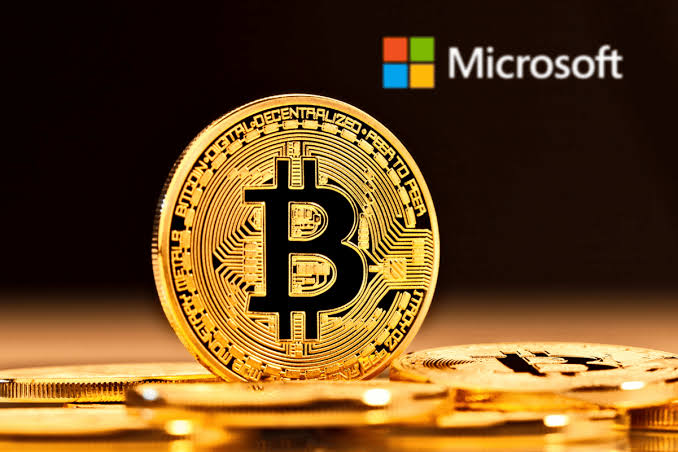
During their annual meeting on December 10, Microsoft shareholders made the decision against a resolution proposing the addition of Bitcoin to the company’s balance sheet. The resolution, proposed by the National Center for Public Policy Research (NCPPR) in Washington, D.C., was framed as a strategic move to provide increased value to shareholders through diversified profits.
In a pre-recorded video, the NCPPR outlined their recommendation, suggesting that Bitcoin is the “next technology wave” that Microsoft cannot afford to miss. They used data and projections to demonstrate the potential value of investing in Bitcoin. The think tank suggested that initiating the use of Bitcoin could create trillions in value and mitigate risk for shareholders.
The proposal acknowledged the volatility of Bitcoin compared to corporate bonds but emphasized the risk associated with complete disregard of Bitcoin. The NCPPR suggested utilizing between 1% to 5% of Microsoft’s profits to invest in Bitcoin and requested an assessment to confirm whether this would be in the best long-term interests of the shareholders.
Microsoft’s board, however, responded negatively to the proposal and recommended against its implementation. In a filing with the US Securities and Exchange Commission (SEC), they labeled the proposal “unnecessary” and pointed out that Microsoft already considers this subject carefully.
Much of the proposal seemed to leverage the “fear of missing out,” citing the adoption of Bitcoin by firms like MicroStrategy and BlackRock as points of persuasion. But despite these arguments, Microsoft’s board remained unimpressed. The filing noted the board’s belief in the company’s robust and diversified processes for managing corporate treasury for the benefit of the shareholders and deemed the requested public assessment unnecessary.