
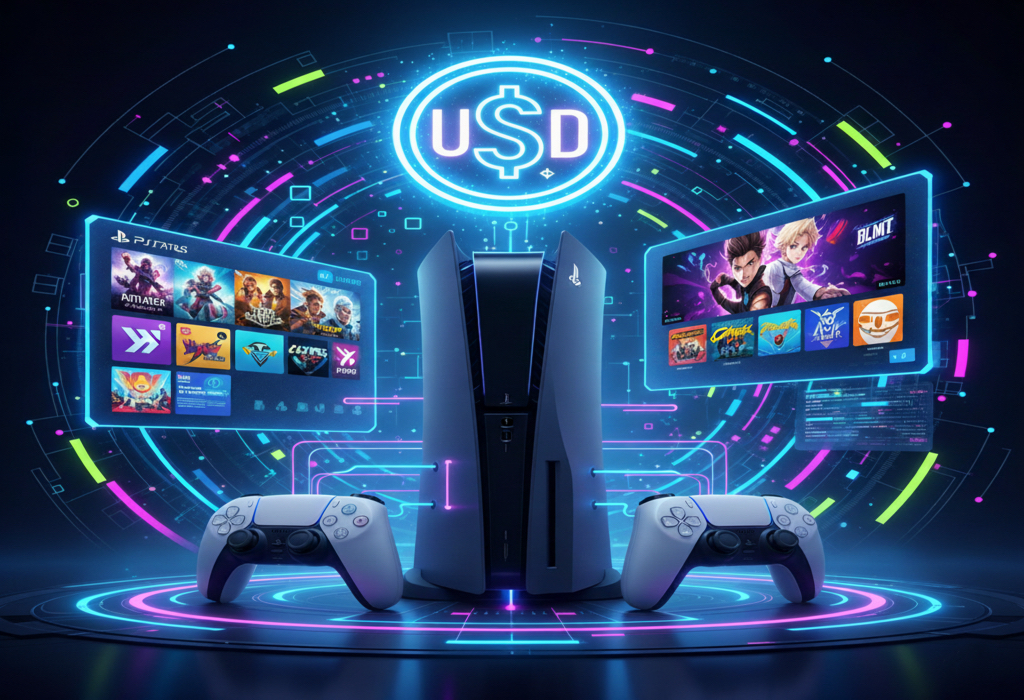
Sony is taking a major step into crypto, planning a US dollar-pegged stablecoin that could power PlayStation purchases, subscriptions, and anime content by 2026. The move signals the company’s growing focus on Web3 and digital asset integration.
Stablecoin to Power Sony Ecosystem
Sony Bank, the online lending arm of Sony Financial Group, is preparing a stablecoin designed for payments across Sony’s products and services in the US. The coin, pegged to the US dollar, will complement existing payment options like credit cards while helping reduce fees paid to card networks.
Targeting US customers, who account for roughly thirty percent of Sony Group’s external sales, the stablecoin is expected to simplify transactions for PlayStation games, subscriptions, and digital content such as anime. Sony is working closely with Bastion, a US stablecoin issuer, and has applied for a banking license to support this initiative through a dedicated subsidiary.
Sony Bank Expands Into Web3
The stablecoin project builds on Sony Bank’s growing involvement in Web3. In June, the bank launched a Web3-focused subsidiary called BlockBloom, with an initial capital of 300 million yen. The unit aims to create an ecosystem that blends NFTs, digital and physical experiences, and both fiat and digital currencies.
Sony sees blockchain and digital assets as key to diversifying its services. From wallets that store NFTs and cryptocurrencies to crypto exchange platforms, the bank is positioning itself at the forefront of digital financial innovation.
Strategic Spin-Off Supports Innovation
The stablecoin initiative follows the spin-off of Sony Financial Group from the larger Sony conglomerate in September, which allowed the financial arm to operate independently with a clearer strategic focus. This separation positions Sony Bank to explore fintech innovations, including its venture into crypto payments, without constraints from the broader company.
BlockBloom and the planned stablecoin are expected to enhance the customer experience across Sony’s ecosystem while opening new opportunities in the growing Web3 space.