
South Korea is preparing sweeping new rules that would force crypto exchanges to compensate users for losses from hacks or system failures, mirroring the strict standards imposed on banks. The move follows the recent Upbit security breach, which exposed growing concerns about consumer protection in the country’s digital asset market.
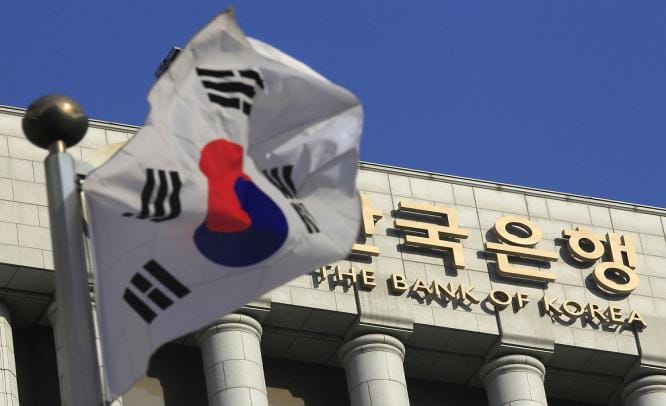
Crypto Platforms May Soon Face Bank Level Responsibility
South Korea’s Financial Services Commission is reviewing a set of provisions that would introduce no fault compensation requirements for crypto exchanges. Under the proposal, platforms would be required to reimburse users for damages from hacks or technical outages, even if they are not directly responsible. This same liability model currently applies only to banks and electronic payment providers under the Electronic Financial Transactions Act.
The regulatory shift comes on the heels of the Nov. 27 Upbit incident, where more than 104 billion Solana based tokens were moved to external wallets in less than an hour. The stolen assets were valued at roughly 44.5 billion won, or about $30.1 million, raising urgent questions about exchange level security and early response systems.
Regulators React to Repeated Failures Across Major Exchanges
Authorities are also responding to a trend of recurring system breakdowns across the country’s top exchanges. Data submitted to parliament shows that the five largest platforms — Upbit, Bithumb, Coinone, Korbit and Gopax — reported 20 failures since 2023. These incidents affected more than 900 users and resulted in losses exceeding 5 billion won. Upbit alone accounted for six outages that impacted 600 customers.
The upcoming legislative overhaul is expected to introduce tougher information security standards, higher operational thresholds and significantly stronger penalties. Lawmakers are considering fines of up to three percent of annual revenue for hacks, matching the benchmark applied to banks. Today, exchanges face a maximum fine of only $3.4 million, a figure many critics say is too small to drive accountability.
Upbit Delay Raises Political Concerns as Stablecoin Push Intensifies
The Upbit breach has also triggered political scrutiny due to a delay in reporting the incident to regulators. Although the intrusion was identified shortly after 5 a.m., the Financial Supervisory Service did not receive notice until almost 11 a.m. Some lawmakers have questioned the timing, noting that the alert came shortly after Dunamu finalized a merger with Naver Financial.
Meanwhile, pressure is mounting on regulators to advance South Korea’s first stablecoin law. Legislators have set a Dec. 10 deadline for a draft proposal and warned that they will proceed without the government if delays continue. The ruling party aims to bring the bill to the National Assembly’s extraordinary session scheduled for January 2026, hoping to finally establish a framework for oversight of asset pegged digital currencies.