
In a significant turn for one of tech’s most vocal privacy advocates, French investigators have fully lifted the travel ban on Telegram CEO Pavel Durov, granting him unrestricted freedom to leave the country for the first time since his dramatic arrest over a year ago.
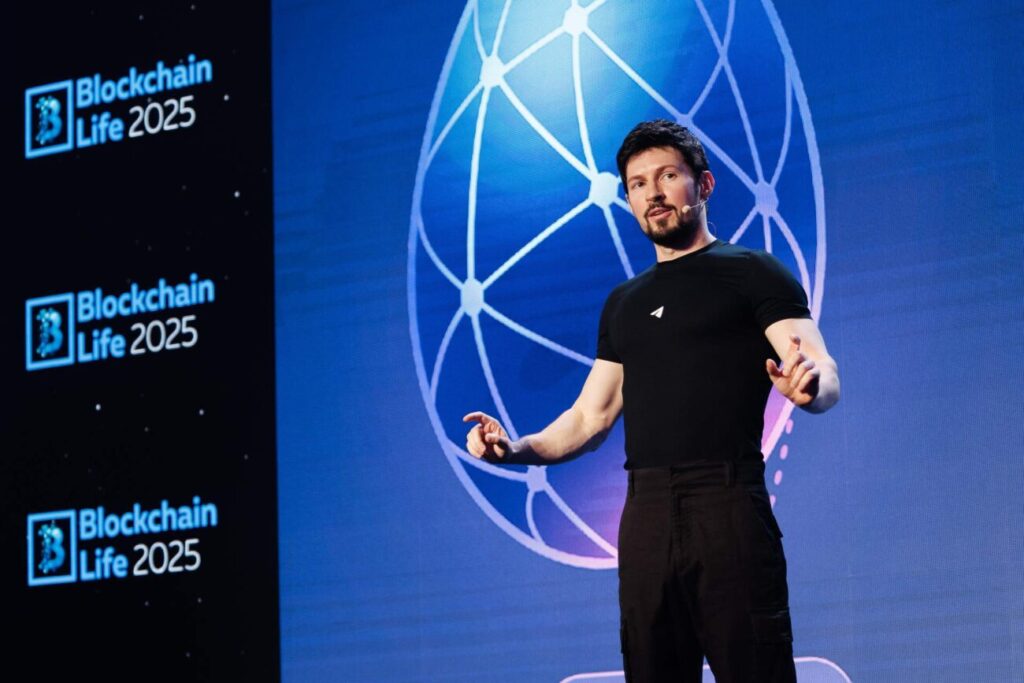
The decision, reported by Bloomberg on November 13, 2025, comes as Durov faces serious charges tied to his messaging app’s alleged role in facilitating illicit activities—but with no resolution in sight for the probe. For the crypto world, where Telegram’s TON blockchain powers innovative projects like decentralized AI, this development signals a potential thaw in regulatory tensions that have loomed over the platform’s Web3 ambitions.
From Paris Lockdown to Global Mobility
Durov’s ordeal kicked off in August 2024 when he was detained at Le Bourget Airport near Paris upon arriving from Azerbaijan. French authorities slapped him with a judicial control order, confining the Russian-born entrepreneur—who famously fled his homeland over censorship clashes—to stay within France’s borders. He was hit with preliminary charges including refusal to cooperate with authorities, complicity in the distribution of child sexual abuse material, and enabling crimes like fraud, drug trafficking, and organized crime through Telegram’s lax moderation. The stakes couldn’t be higher: a possible 10-year prison sentence and a €1 million fine (€550,000 in some reports) hang over his head.
What followed was a series of temporary exemptions, allowing Durov brief escapes for family or business reasons. But those concessions came with strings—regular check-ins at a local police station and the constant shadow of surveillance. Telegram, boasting over 1 billion users worldwide, has long been a double-edged sword: a haven for free speech and crypto communities, yet criticized for harboring bad actors. Durov’s arrest spotlighted the growing clash between privacy-focused tech and governments’ demands for backdoor access, echoing broader EU battles over digital rights.
Durov’s Defiant Stance Against Censorship
Never one to mince words, Durov has used his platform to fire back at his detractors. In a June 2025 interview with Le Point, he didn’t hold back on French President Emmanuel Macron: “Emmanuel Macron isn’t making the right choices. I’m very disappointed. France is getting weaker and weaker.” His critiques extended to the EU’s controversial Chat Control proposal, which he branded “dystopian” for threatening end-to-end encryption. Just last month, in an October 9 X post, Durov painted a grim picture: “Germany is persecuting anyone who dares to criticize officials on the Internet. The UK is imprisoning thousands for their tweets. France is criminally investigating tech leaders who defend freedom and privacy.”
Telegram’s official line remains steadfast: the app complies with EU laws and industry standards, rejecting claims of deliberate non-cooperation. Durov himself has emphasized that no single entity should control user data, a philosophy that resonates deeply in crypto circles where decentralization is king.
Crypto Ties: TON’s AI Push Amid the Drama
For Today in Crypto readers, Durov’s saga hits close to home thanks to Telegram’s deep roots in blockchain. The Open Network (TON), originally developed by Telegram before a U.S. SEC smackdown forced its handover to the community, has evolved into a powerhouse for mini-apps and DeFi. Just recently, Durov unveiled a decentralized AI network built atop TON, aiming to blend messaging with cutting-edge Web3 tools—think AI agents that operate without Big Tech overlords. The travel ban’s lift could free him up to jet-set for partnerships, potentially supercharging TON’s growth as it eyes mass adoption through Telegram’s massive user base.
Yet, the ongoing investigation isn’t just a personal hurdle for Durov; it’s a litmus test for how regulators view crypto-integrated platforms. If Telegram’s moderation woes lead to convictions, it could ripple into stricter oversight for TON tokens, NFTs, and beyond. On the flip side, Durov’s mobility might embolden his push against what he sees as overreach, rallying the crypto faithful in the fight for open networks.
As the probe drags on without fresh updates, Durov’s newfound freedom feels like a quiet victory in a larger war over digital sovereignty. Will this embolden more tech mavericks to challenge the status quo, or is it merely a pause before the next regulatory storm? In the volatile world of crypto and comms, one thing’s clear: Pavel Durov isn’t backing down anytime soon.