
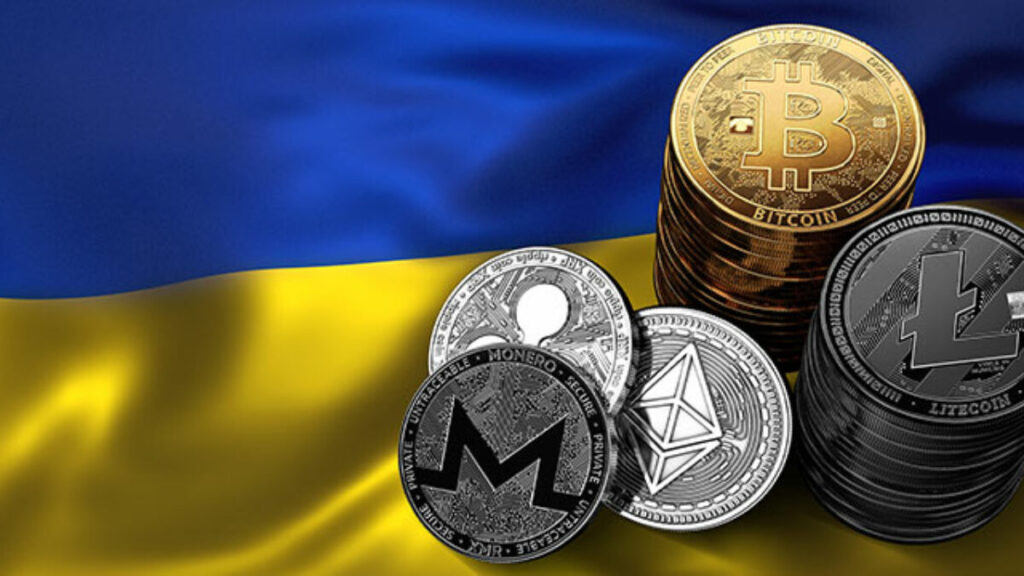
Ukraine’s parliament, the Verkhovna Rada, has passed the first reading of a landmark bill to legalize and tax cryptocurrencies, signaling a bold move to integrate digital assets into the nation’s economy. With 246 lawmakers voting in favor, the legislation aims to regulate the booming crypto market while introducing a 23% tax on profits, positioning Ukraine as a potential crypto hub in Eastern Europe.
A Milestone for Crypto Regulation
On September 3, 2025, Ukraine’s Verkhovna Rada took a significant step toward embracing the global crypto revolution by approving the first reading of a bill to legalize and tax digital assets. Announced by lawmaker Yaroslav Zhelezniak via Telegram, the bill garnered strong support with 246 votes, reflecting the country’s growing recognition of cryptocurrency’s economic potential. If passed into law, this legislation could transform Ukraine’s digital asset landscape, aligning it with crypto-friendly nations while fostering economic growth. The bill’s approval comes as Ukraine ranks eighth globally in Chainalysis’s 2025 Global Crypto Adoption Index, highlighting its strong retail and institutional crypto activity.
Taxation Framework Takes Shape
The proposed bill outlines a clear taxation structure for cryptocurrencies, imposing an 18% income tax and a 5% military tax on digital asset profits. To ease the transition, a preferential 5% tax rate on fiat conversions will apply in the first year, a move designed to encourage crypto holders to declare their assets. Notably, the legislation aligns with recommendations from Ukraine’s financial regulator, exempting crypto-to-crypto and stablecoin transactions from taxation, a policy that mirrors approaches in crypto-friendly jurisdictions. This balanced framework aims to curb the shadow economy while promoting transparency in crypto dealings.
Economic Opportunities on the Horizon
Ukraine’s push for crypto legalization is more than just regulatory—it’s a strategic play to revitalize the economy. Volodymyr Nosov, CEO of European crypto exchange WhiteBIT, emphasized that the bill opens a “window of opportunity” for attracting investments and repatriating foreign assets held by Ukrainian crypto enthusiasts. With the country already a leader in decentralized finance (DeFi) and centralized crypto value, the legislation could position Ukraine as a regional hub for blockchain innovation. The bill follows earlier efforts, including a June 2025 proposal to establish a state crypto asset reserve, signaling sustained momentum in crypto policy.
Global Context and Future Steps
Ukraine’s move comes amid a global trend of increasing crypto regulation, with nations like Morocco and the Philippines also advancing digital asset frameworks. The bill’s alignment with international standards, such as those set by the Financial Action Task Force (FATF), ensures Ukraine remains competitive in the global crypto market. However, details on enforcement and oversight—whether by the National Bank of Ukraine (NBU) or the National Securities and Stock Market Commission (NSSMC)—remain unclear, sparking cautious optimism among stakeholders. The bill must pass additional readings and gain final approval to become law, with debates expected to shape its final form by early 2026.