
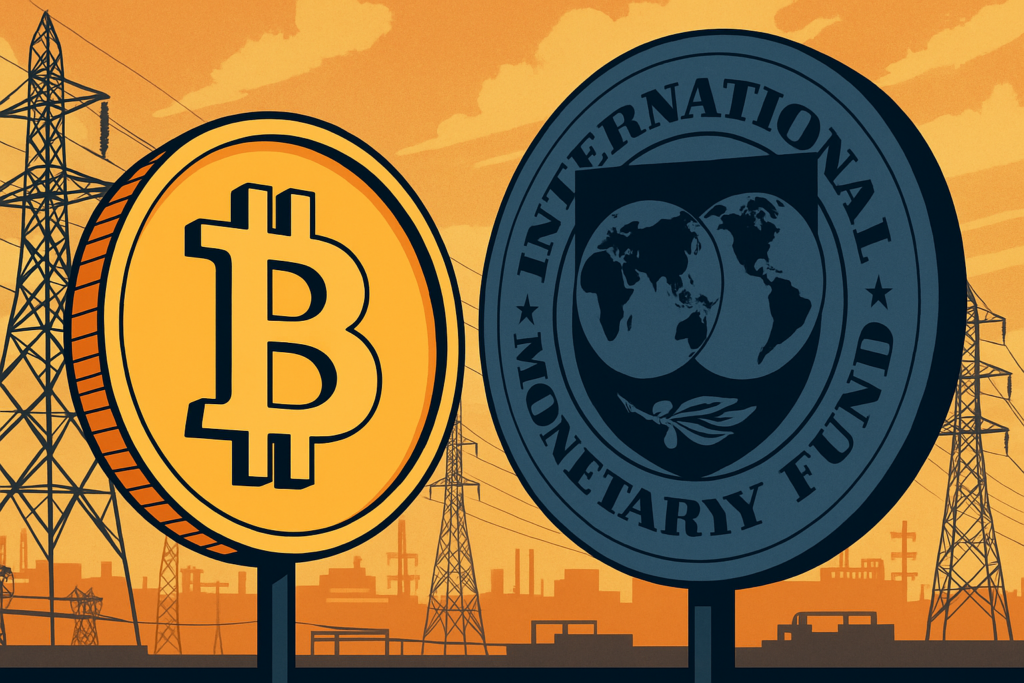
The International Monetary Fund (IMF) has voiced its reservations about Pakistan’s proposal to allocate 2,000 megawatts of electricity to accommodate Bitcoin mining and AI data centers. This initiative was announced to attract independent miners, AI firms, and blockchain companies to Pakistan as part of the country’s broad national strategy to integrate digital assets into its economy.
Pakistan’s plan, however, has ignited apprehension within the IMF, due to pre-existing energy shortages and budgetary pressures in the country. The IMF has demanded urgent information from Pakistan’s Finance Ministry, particularly on the legal standing of cryptocurrency mining and its power allocation. Widespread speculation suggests that the IMF was not consulted prior to the public announcement of this plan.
Reportedly, the IMF’s main concerns stem from potential impacts on power tariffs and the country’s distribution of resources. A senior official reported that the IMF discussions surrounding this initiative have already intensified the complexity of ongoing negotiations.
In response to these uncertainties, the IMF is planning a dedicated session specifically to scrutinize Pakistan’s power plan proposed for Bitcoin mining and AI operations. This session will constitute part of their virtual discussions with the Pakistani officials.
Furthermore, Pakistan’s broader strategy includes the establishment of the Pakistan Digital Asset Authority (PDAA). The PDAA, which was approved by the Finance Ministry on May 21, is envisioned to regulate digital asset exchanges, wallets, stablecoins, and DeFi platforms. It will also oversee the tokenization of national assets, adhering to international frameworks like that of the Financial Action Task Force (FATF). Pakistan conveyed its first-ever strategic Bitcoin reserve at the Bitcoin Vegas 2025 conference last week, signifying its commitment to digital finance.